
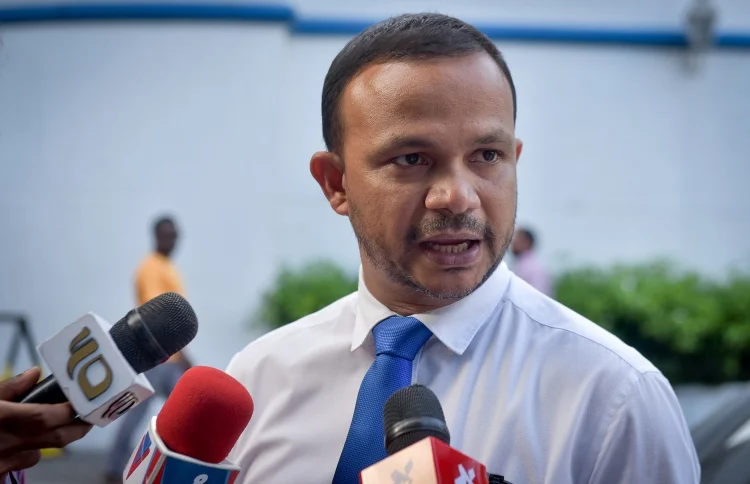
Former Member of Parliament Ali Hussain has publicly criticized the Bank of Maldives (BML) for imposing a 30% fee on debit card transactions at select online retailers, arguing that such charges require parliamentary approval to be lawful.
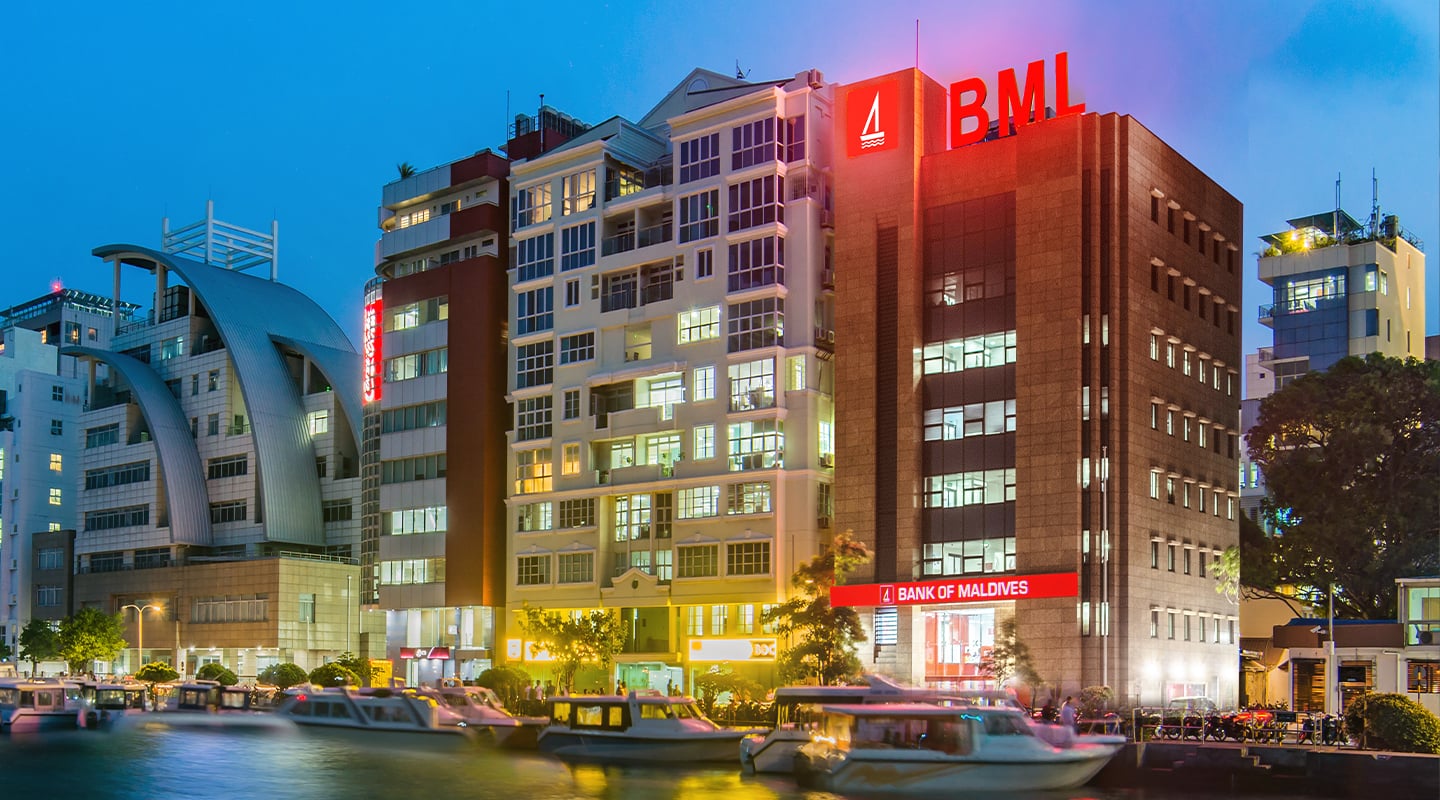
The controversy arose after BML announced on Monday, June 30, 2025, that it would levy a 30% fee on transactions made using BML debit cards on platforms including Temu, Shein, Alibaba, AliExpress, Lazada, and eBay. Additionally, BML has limited ATM withdrawals abroad to US$125 per month, with a fee of US$10 for such withdrawals.
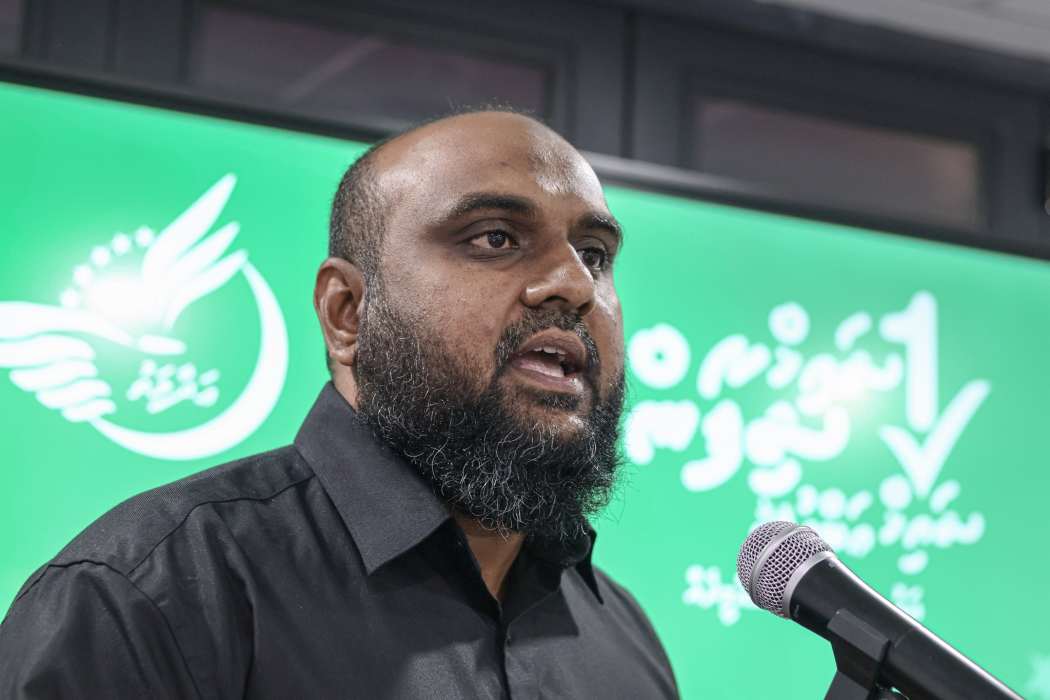
Speaking out against the decision, Ali Hussain emphasized that no tax or fee can be imposed on citizens without explicit authorization through legislation passed by the Maldivian Parliament. “What law authorizes this ‘fee’? You call it a fee because you don’t want to call it a tax, right?” he questioned, raising concerns about the legality and transparency of BML’s new policy.
The decision by BML has sparked debate over the matter. Critics argue that the fees could disproportionately affect consumers relying on international e-commerce platforms, while supporters of the policy suggest it may be a measure to regulate foreign currency transactions.
The Bank of Maldives (BML) has not yet provided an official response to former MP Ali Hussain’s criticisms or offered clarification on the legal grounds for implementing the new 30% fee on debit card transactions.
This development has fueled significant backlash, with opposition politicians intensifying their criticism of the government. They accuse the administration of mismanagement and failing to consider public sentiment, arguing that such financial policies burden ordinary citizens, particularly those reliant on international e-commerce platforms for affordable goods.
The controversy arose after BML announced on Monday, June 30, 2025, that it would levy a 30% fee on transactions made using BML debit cards on platforms including Temu, Shein, Alibaba, AliExpress, Lazada, and eBay. Additionally, BML has limited ATM withdrawals abroad to US$125 per month, with a fee of US$10 for such withdrawals.
Speaking out against the decision, Ali Hussain emphasized that no tax or fee can be imposed on citizens without explicit authorization through legislation passed by the Maldivian Parliament. “What law authorizes this ‘fee’? You call it a fee because you don’t want to call it a tax, right?” he questioned, raising concerns about the legality and transparency of BML’s new policy.
The decision by BML has sparked debate over the matter. Critics argue that the fees could disproportionately affect consumers relying on international e-commerce platforms, while supporters of the policy suggest it may be a measure to regulate foreign currency transactions.
The Bank of Maldives (BML) has not yet provided an official response to former MP Ali Hussain’s criticisms or offered clarification on the legal grounds for implementing the new 30% fee on debit card transactions.
This development has fueled significant backlash, with opposition politicians intensifying their criticism of the government. They accuse the administration of mismanagement and failing to consider public sentiment, arguing that such financial policies burden ordinary citizens, particularly those reliant on international e-commerce platforms for affordable goods.